Using Lyfta to teach the UN Sustainable Development Goals
This story starts in August 2019 with a completely chance encounter. Penny Rabiger, the director of engagement at Lyfta, and I realised that we were neighbours in the real world and not just a profile picture on social media. Penny told me about Lyfta over a late afternoon tea at our local branch of a well-known beverage chain. Being a teacher at a school which has a “can do and want to” attitude, there was no other response than to get involved.
Before collaborating with Lyfta, Willow Brook Primary School Academy had already established some international connections through the British Council. In January 2018, the school hosted a visit by a delegation from the Hungarian Ministry of Education, arranged with the British Computing Society through its Computing at Schools Network as Willow Brook was a Computing at School Centre of Excellence. 12 months later, a small delegation from Paris also visited the school. This was shortly followed by the largest ever delegation of Mandarin speaking educators from Taipei to an English school. They were not only collecting information about Willow Brook’s expertise at teaching technology but also got to witness how fluent and literate early learning in Mandarin at the school is. Having been directly involved in the development and delivery of both of these parts of the curriculum, the introduction of the UN Sustainable Development Goals (SDGs) represented a natural progression and consolidation of the school’s co-curricular programme.
The school is situated on the very edge of the London 2012 Olympic Park and in the shadows of the iconic yet ever-changing skyline of one of the world’s most influential centres of global finance. It is in a part of London considered as one of the most socially divided and deprived. The opportunity to learn about the roles and responsibilities of others from communities across the world is invaluable. A panel at the World Economic Forum in 2019 spoke of how potentially by the age of seven, some children face limits on their future work aspirations. The video stories and the supporting resources curated by Lyfta provide a perfect platform for children to explore the world in a very accessible way.
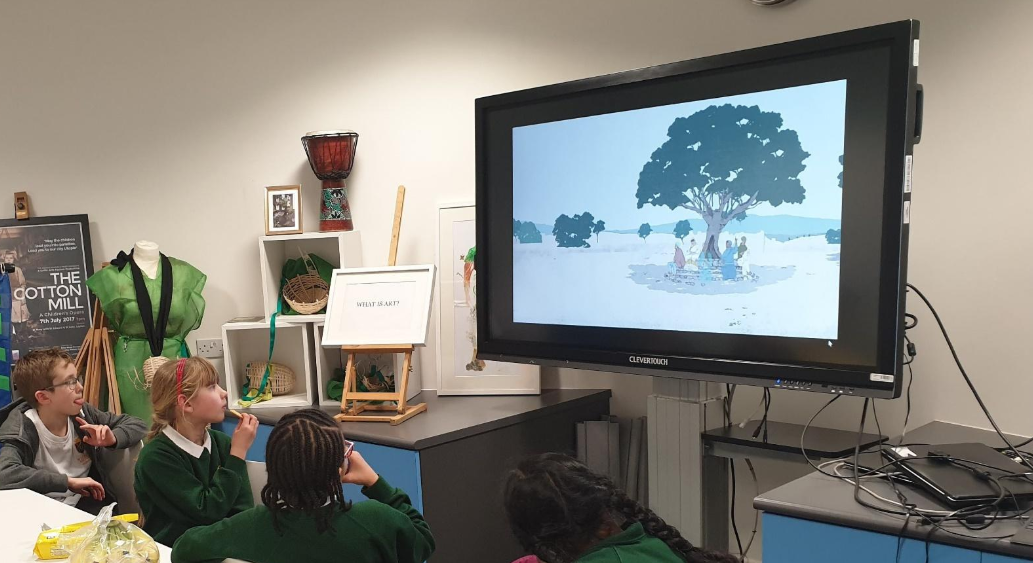
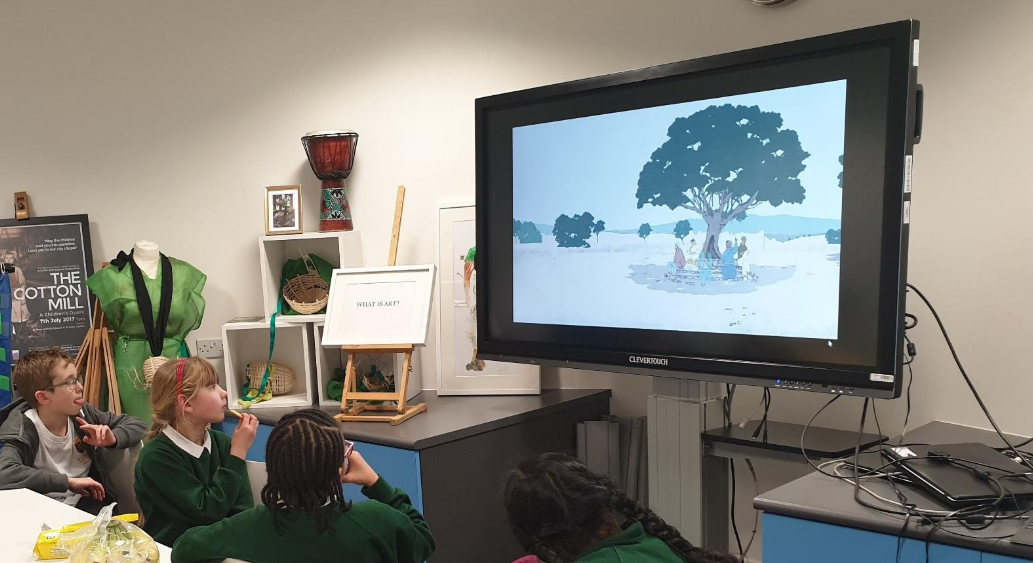
Lyfta was launched in school in Autumn 2019 and organised into three themes structured around the 17 Sustainable Development Goals. This provided ample opportunity and resources for a sequence of at least 20 hours of teaching and learning. There are many obvious links to the Geography attainment targets set in the 2014 English National Curriculum for Primary schools. The themes that have been selected by Lyfta have a cross-curricular appeal, especially in music and Philosophy for Children (or P4C). Dependent on the way Lyfta is delivered or the way teachers facilitate the use of the platform, there has also been significant scope to focus on literacy skills. Away from explicit curriculum targets, learners are exposed to developing their critical thinking and communication skills. The strength of the stories available through Lyfta is such that teachers have the scope to introduce collaborative and creative learning opportunities too.
My experience of using Lyfta made me realise that it was important to provide some contextual understanding of how the 17 Sustainable Development Goals came about. Explaining the origins of the SDGs meant being able to think about the formation of the United Nations, its historic roots as well as its global significance. The diversity of the school’s population means that the children are really engaged in learning about the cultural experiences of others. I for one am truly excited for what Lyfta is able to offer in the future, with stories coming from countries that will have a personal resonance. The sub-titled high quality video and supporting teaching notes makes the whole experience of using Lyfta as a resource very inclusive. I have found Lyfta to be an outstanding opportunity to support learning beyond the classroom and it has the potential to inspire today’s learners to become active and engaged citizens of tomorrow.
by Allen Tsui, Willow Brook Primary School Academy
Log in now to plan your next Lyfta lesson or assembly
Or join us on one of our free online webinars